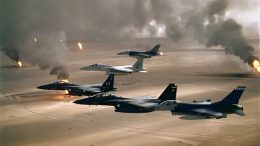
The Oil Security Paradox: Every War Becomes an Oil Crisis in a Fossil-Fuel Economy
On March 10, 2026, Pakistan’s Prime Minister Shehbaz Sharif addressed the nation in an emergency broadcast. The Strait of Hormuz had been closed for less…

On March 10, 2026, Pakistan’s Prime Minister Shehbaz Sharif addressed the nation in an emergency broadcast. The Strait of Hormuz had been closed for less…
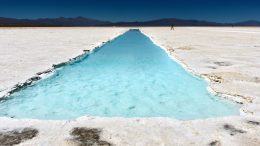
Javier Milei has turned his country into the world’s biggest deregulation experiment. Mariano Novas examines the data and asks, will it pay off? Javier Milei…
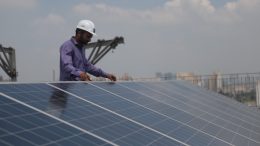
Authored by Rana Pujari, lead, renewable energy, NRDC India, and Deepesh Tourani, renewable energy research associate, NRDC India This new study assesses how India’s workforce…

In recent years, the volume of Uzbekistan’s national economy has almost tripled to $147 billion. Uzbekistan, the largest country in Central Asia by population (about…

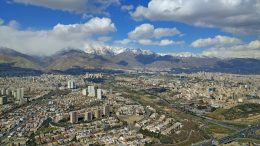
The countries of the Persian Gulf region, including Iran, Iraq, and the Gulf Cooperation Council countries – Bahrain, Kuwait, Oman, Qatar, Saudi Arabia, and the…
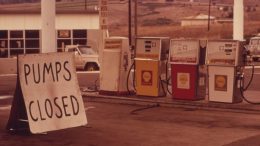
Conflicts accelerate structural change in the energy field. Half a century ago, it was Israel against Egypt; today, it’s Russia against Ukraine and, again, Israel…

Hydrogen is the most abundant element in the universe. It is estimated that hydrogen makes up ~75% of the mass in the universe. It is…
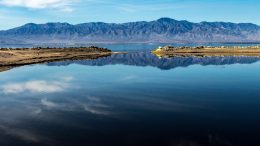
California holds vast stores of lithium. But mining projects stir debate over environmental costs and economic benefits. For decades, a global transition has been underway:…
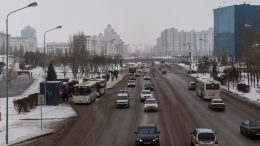
Kazakhstan, the largest economy in Central Asia, with its economic development plan and strategic document 2050, has actively developed economic and trade diplomacy, diversified foreign…
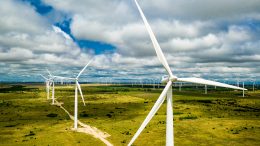
Throughout history, humans have transitioned their energy sources to more efficient and cleaner forms. Much of this transition historically was either due to depletion of…